Serat Kayu: A Display Font with Natural Character
You know the moment when a design feels complete, but something is missing? The layout is balanced, the colors work, but the typography falls flat. It lacks personality, warmth, or that distinctive edge that makes a viewer pause. This is where a thoughtfully crafted display font enters the picture, transforming good design into memorable communication. Serat Kayu is one such typeface—a display font that carries the organic, textured essence of wood grain in its very letterforms, offering a blend of natural charm and modern sophistication.
Visual Appeal Rooted in Nature
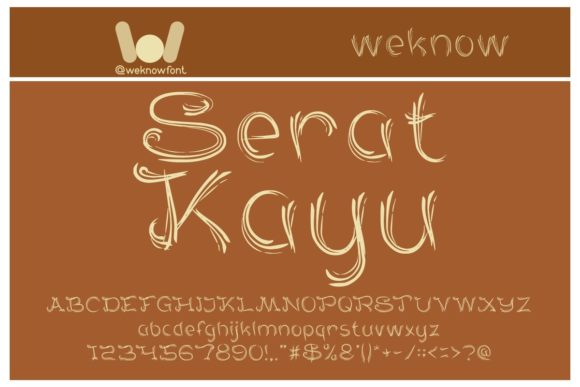
What immediately sets Serat Kayu apart is its visual texture. Unlike sterile, geometric sans serifs or overly ornate scripts, this font features subtle, irregular details reminiscent of wood fibers. The strokes have a gentle, uneven quality that avoids looking machine-perfect, which injects a handcrafted, artisanal feel into any text. This isn’t just about being "fancy"; it’s about adding a layer of tactile authenticity. The letterforms are bold and confident, ensuring they command attention as a headline or logotype, while the inherent texture prevents them from feeling cold or impersonal. It’s a modern typography choice that doesn’t sacrifice character for clarity.
For designers, this texture is a powerful tool. It allows you to embed a sense of craftsmanship, tradition, or organic quality directly into your typography without relying on additional graphics or overlays. Think of a coffee brand logo, a boutique furniture shop, or an indie music poster—Serat Kayu can visually communicate the core values of those brands before a single word of copy is read. It’s a creative font that does more than display letters; it tells a story.
Practical Applications Across Creative Projects
The true test of any premium font is its versatility. Where does a textured display font like this actually work in the real world? The applications are surprisingly broad, spanning both digital and physical realms. In logo design and brand identity, Serat Kayu can become the cornerstone of a visual system. It lends itself perfectly to logotypes for artisanal food products, outdoor adventure brands, craft breweries, or eco-friendly startups where a connection to natural materials is a key brand message. Its distinctiveness aids in brand recognition, helping a business stand out in a crowded marketplace.
Beyond the primary logo, this typeface excels in creating cohesive marketing assets. Imagine it on packaging design for a handmade soap—its texture would mirror the product inside. Use it for striking poster headings, album covers for acoustic musicians, or title treatments for indie films and YouTube channel graphics. For content creators and social media managers, it’s a fantastic choice for Instagram post templates, story highlights, or Pinterest graphics that need to stop the scroll. It adds instant visual interest to any social media graphics campaign.
In the realm of editorial design and web design, restraint is key. Serat Kayu is not meant for body text. Its strength lies in headlines, subheadings, pull quotes, and featured article titles in magazines, blogs, or digital products. Pair it with a clean, highly readable sans serif or serif font for the main content to create a beautiful, balanced hierarchy. This font pairing strategy ensures your layout is both engaging and easy to digest. For print materials like event invitations, menu designs, or book covers, it provides a memorable typographic anchor.
Enhancing Your Design Strategy
Integrating a display font like Serat Kayu into your work is about more than just aesthetics; it’s a strategic choice that impacts communication. A well-chosen typeface improves visual consistency across all touchpoints, from a website header to a business card. When the font’s personality aligns with the brand’s voice, it strengthens the overall identity, making every piece of communication feel unified and professional. This consistency builds trust and recognition with your audience over time.
However, successful implementation requires thoughtful consideration. Always test readability in context. A textured font that looks stunning at a large poster size might become muddy or difficult to read when used for a small website button. Review the included font styles and weights—does the family offer enough variation for your needs? Check the commercial licensing terms carefully, especially if the project is for a client or for merchandise that will be sold. Understanding these practical details ensures you can use the font confidently and legally, protecting both your project and your client.
Ultimately, the goal is to match the typography to the project’s objectives. Is the aim to feel rustic, luxurious, playful, or authoritative? Serat Kayu leans towards a rustic, artisanal, and natural personality. It’s not the right fit for a law firm’s annual report, but it could be perfect for a local farmer’s market logo. By focusing on the message and the audience, you can leverage this creative font to enhance engagement, communicate values more effectively, and elevate the professional presentation of your design projects. It’s a valuable addition to any designer’s toolkit of design assets, offering a unique way to bring a touch of the organic world into digital and print spaces.