Simple Harvest: A Fresh Take on Display Typography for Modern Brands
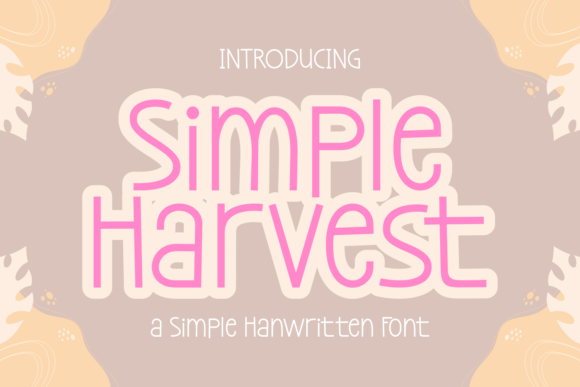
There’s something undeniably satisfying about a font that feels both familiar and fresh. You’ve likely encountered typefaces that try too hard to be edgy or ones that fall flat into generic territory. Then there are those rare finds that strike a balance—fonts with personality that don’t overwhelm, and clarity that doesn’t sacrifice character. Simple Harvest is one of those typefaces. It’s a cute and neat display font that carries a warm, approachable vibe, making it a versatile tool for anyone looking to inject a bit of charm into their visual projects without losing professionalism.
The Visual Appeal: Where Charm Meets Clarity
At its core, Simple Harvest is designed to be friendly and legible. Its letterforms are clean and well-proportioned, with subtle curves and balanced spacing that give it a welcoming feel. Unlike overly stylized scripts or rigid sans-serifs, this font walks a middle path. It has just enough personality to stand out in a logo or headline, yet remains clear enough for shorter blocks of text where readability is key. This makes it particularly useful for projects that need to communicate warmth and approachability—think artisanal brands, lifestyle blogs, or boutique packaging.
What sets it apart in the crowded world of display fonts is its versatility. It doesn’t scream for attention with excessive flourishes; instead, it earns it through thoughtful design. The letter spacing is generous enough to prevent crowding, and the x-height is optimized for quick reading. Whether you’re setting a large headline for a poster or a tagline for a website banner, Simple Harvest maintains its legibility and visual appeal across sizes.
Practical Applications Across Creative Fields
For designers and brand builders, choosing the right typeface is about matching visual tone to project goals. Simple Harvest shines in contexts where you want to convey authenticity and creativity. Consider its use in logo design: a logo set in this font can feel handmade yet polished, perfect for a coffee roaster, a craft workshop, or a boutique clothing line. Its neatness ensures it reproduces well across different media, from business cards to signage.
In packaging design, font choice can make or break shelf appeal. Simple Harvest’s friendly aesthetic works well for products that emphasize natural ingredients, artisanal quality, or family-friendly values. Imagine it on a jar of homemade jam or a box of organic tea—it immediately communicates care and attention to detail. Similarly, for social media graphics and digital content, the font helps create cohesive visual branding. Instagram posts, YouTube thumbnails, or website headers set in Simple Harvest can establish a recognizable style that audiences associate with your content.
Beyond digital, it’s equally effective in print. Think invitations for events, editorial layouts in magazines, or marketing materials like flyers and posters. Its readability at smaller sizes makes it suitable for body text in certain contexts, though it truly excels in headlines and callouts. For merchandise like T-shirts, tote bags, or mugs, the font’s charm translates well to physical products, adding a touch of personality without looking overly casual.
Enhancing Brand Identity and Audience Connection
A consistent visual identity is crucial for brand recognition, and typography plays a starring role. Using Simple Harvest across your branding materials—from your website to your social media profiles to your packaging—can help create a unified look that feels intentional and professional. This consistency builds trust with your audience; when they see your font, they immediately recognize your brand’s voice.
Moreover, the font’s approachable nature can help foster a stronger connection with your audience. In a world saturated with corporate, impersonal branding, a typeface that feels human and relatable can make your brand stand out. It’s not about being whimsical for the sake of it; it’s about choosing typography that reflects your brand’s values—whether that’s creativity, warmth, or authenticity. For small businesses and entrepreneurs, this can be a subtle yet powerful way to differentiate themselves in a competitive market.
Making the Most of Your Font Choice
When integrating Simple Harvest into your projects, consider a few practical tips. First, think about font pairing. While it works beautifully on its own, combining it with a simple sans-serif for body text can create a balanced hierarchy. For example, using Simple Harvest for headlines and a clean font like Montserrat or Open Sans for paragraphs ensures readability while maintaining visual interest.
Second, always test your typography in context. View it at different sizes and on various devices to ensure it holds up. Check how it looks in both light and dark backgrounds, and consider how it will print on different materials. Simple Harvest is versatile, but like any font, its effectiveness depends on how it’s used.
Finally, review the font’s licensing and included styles. Many premium fonts come with multiple weights or stylistic alternates, which can expand your creative options. Understanding what’s included in your license—especially for commercial use—is essential to avoid legal issues down the line. Always read the terms carefully, particularly if you plan to use the font in products for sale or in large-scale campaigns.
In the end, choosing a typeface is about more than just aesthetics; it’s about finding a visual voice that aligns with your project’s goals. Simple Harvest offers a blend of charm and practicality that can elevate a wide range of creative work, from branding to editorial design. Its strength lies in its ability to feel personal without sacrificing clarity, making it a valuable addition to any designer’s toolkit.