Every Day: The Casual Display Font for Modern Brands
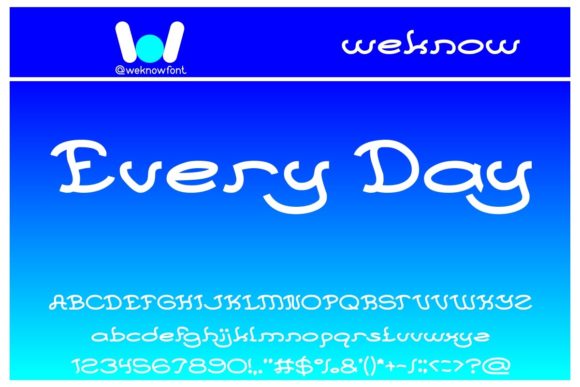
There's a particular kind of energy that a typeface can bring to a design—something that feels both contemporary and approachable, polished yet never stiff. That's the sweet spot where Every Day lives. This modern display font carries a casual confidence that makes it surprisingly versatile, whether you're building a brand from scratch, refreshing a social media presence, or designing packaging that needs to pop on a crowded shelf. It's the kind of typeface that doesn't demand attention so much as it naturally attracts it, thanks to its clean lines and friendly character.
A Typeface That Feels Like a Conversation
What sets Every Day apart from other display fonts is its personality. It strikes a balance between being stylish and being readable—a combination that's harder to find than you might think. Many modern display typefaces lean too far into aesthetics and sacrifice legibility, or they play it so safe that they end up forgettable. Every Day avoids both traps. Its letterforms have just enough character to feel distinctive without veering into novelty territory, which means it works across a wide range of applications without feeling out of place.
Think about the last time you saw a logo or a poster that just felt right. Chances are the typography played a huge role in that reaction. Every Day has that quality—the ability to make a design feel cohesive and intentional. It's a creative font that doesn't try too hard, and that restraint is exactly what makes it so effective for projects that need to communicate warmth, creativity, and authenticity.
Where This Font Truly Shines
Let's talk about real-world applications, because that's where a typeface earns its keep. Every Day is a premium font that works beautifully in logo design, where first impressions matter more than anywhere else. A logotype set in this typeface immediately signals that a brand is modern, approachable, and confident. It's particularly well-suited for businesses in the lifestyle, food, fashion, and creative industries—spaces where personality and visual warmth are non-negotiable.
Beyond logos, consider how Every Day performs in packaging design. Picture a craft coffee label, a skincare product line, or a boutique candle brand. The casual elegance of this display font gives products a handcrafted feel without looking amateurish. It suggests that someone cared about the details, which is exactly the message you want to send when a customer picks up your product for the first time.
Social media graphics are another area where this typeface earns serious points. If you're creating content for Instagram, YouTube thumbnails, or Pinterest pins, you need a font that reads well at various sizes and grabs attention in a fast-scrolling feed. Every Day does this naturally. Its clear letterforms hold up whether they're displayed as a large headline on a desktop screen or a smaller caption on a phone. For content creators and marketers who produce graphics regularly, having a reliable display font in your toolkit saves time and elevates the overall quality of your output.
Building Brand Recognition Through Typography
One of the most overlooked aspects of brand identity is typographic consistency. A lot of small business owners and entrepreneurs invest in a great logo but then use mismatched fonts across their website, email campaigns, printed materials, and social posts. The result is a brand that looks fragmented—professional in one place and haphazard in another.
Every Day can serve as an anchor for your visual identity. When you use a consistent typeface across your marketing assets, your audience starts to recognize your brand before they even read the words. That's the power of modern typography applied strategically. It's not about being flashy; it's about being memorable and cohesive.
For editorial design, this font brings a fresh energy to magazine layouts, blog headers, and book covers. It pairs well with clean sans serif fonts for body text, creating a visual hierarchy that guides the reader's eye naturally. If you're designing a lookbook, a digital product guide, or a newsletter, Every Day as your headline font paired with something neutral for the paragraphs creates a professional presentation that feels intentional without being rigid.
Practical Tips for Getting the Most Out of Every Day
Choosing the right font style within a typeface family matters. Before you commit to Every Day for a project, explore the included styles and weights. Display fonts often come with variations that can dramatically change the mood of your design. A lighter weight might feel airy and minimal, while a bolder version commands more presence. Test different options against your specific project goals before settling on a final choice.
Font pairing is another skill worth developing. Every Day works best as a headline or display font, which means you'll want to pair it with something more subdued for longer body copy. A simple sans serif or even a classic serif font can provide the contrast needed to create visual balance. Avoid pairing two display fonts together—competing personalities in your typography will confuse the viewer rather than engage them.
Readability should always be a priority, even with display typefaces. Every Day performs well at larger sizes, which is exactly where display fonts belong. Use it for headlines, titles, pull quotes, and short calls to action. For paragraphs and extended reading, switch to a typeface optimized for body text. This isn't a limitation—it's how good typography works. The right font for a 48-point headline is rarely the right font for 12-point body copy.
Licensing is another practical consideration that many creatives overlook until it becomes a problem. If you're using Every Day for commercial projects—whether that's client work, merchandise, or products you sell—make sure you understand the license terms. A properly licensed commercial font protects you legally and supports the designers who create the tools you rely on. It's a small investment that prevents headaches down the road.
From Personal Projects to Professional Presentations
What makes a typeface truly valuable is its range. Every Day works just as well on a wedding invitation as it does on a movie poster. It feels at home on a music album cover and equally appropriate on a website hero section. That versatility is what separates a good font from a great one.
If you're a crafter designing custom T-shirts or merchandise, this font brings a modern edge that resonates with contemporary buyers. For game designers, it offers a casual energy that suits everything from indie game titles to UI elements. Bloggers and digital creators can use it to develop a recognizable visual style that sets their content apart in a saturated market.
The beauty of Every Day is that it doesn't box you into a single aesthetic. It adapts to the context you place it in, which makes it a smart addition to any designer's font library. Whether you're working on a corporate identity for a startup or designing a poster for a local event, this typeface gives you a foundation that feels current, professional, and genuinely appealing.
Typography is one of those design elements that people don't always notice when it's done right—but they definitely notice when it's done wrong. Every Day falls firmly in the "done right" category. It's a thoughtful, well-crafted display font that brings real value to creative projects of all kinds, and it does so without demanding the spotlight. Sometimes the best design choices are the ones that quietly make everything else look better.