Masquerade: Unmasking a Font with Character and Charm
There’s a certain energy to fonts that refuse to play it safe. You know the ones—they walk into a design and immediately own the room, leaving an impression that’s impossible to shake. Masquerade is exactly that kind of typeface. With its comic-inspired personality and unmistakable display presence, it brings a bold, handcrafted quality to any project that needs a little extra spark. If you’ve ever scrolled past a logo or poster and thought, “That font just works,” chances are it had the same confident, distinctive character that Masquerade delivers.
A Typeface Built for Standing Out
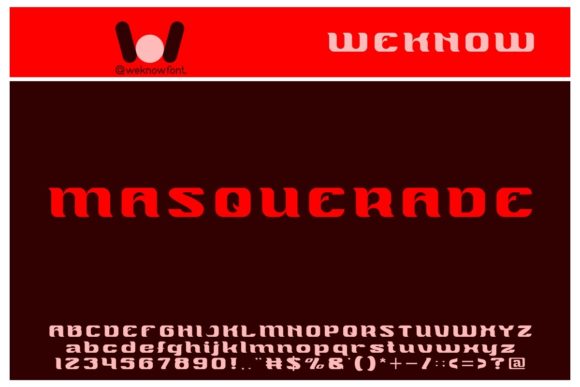
Masquerade isn’t trying to be a quiet, neutral workhorse. It’s a display font at heart, which means its primary job is to catch eyes and hold attention. The letterforms carry a playful, comic-book sensibility—slightly exaggerated proportions, confident strokes, and a rhythm that feels both dynamic and approachable. It’s the kind of typeface that suggests personality without screaming for it, which is a surprisingly rare balance to strike.
What makes it particularly useful is that this personality doesn’t come at the cost of clarity. The characters are well-drawn and readable at the sizes where display fonts actually get used—headlines, logos, titles, and featured text. You won’t find yourself squinting at a hero banner wondering what that letter is supposed to be. Each glyph has enough distinction to be recognizable while still feeling cohesive as a complete alphabet.
Where Masquerade Really Shines
Think about the last time a movie poster, album cover, or YouTube thumbnail grabbed your attention. Typography played a role in that. Masquerade is built for exactly those moments—when you need text to do more than just communicate words, but actually contribute to a mood or story.
For logo design, it offers a ready-made personality that can anchor an entire brand identity. A bakery with a whimsical vibe, a podcast about pop culture, a children’s book author, or a streetwear label—Masquerade can adapt to all of these because its comic styling carries a broad emotional range. It feels youthful without being childish, creative without being chaotic.
In packaging design, especially for products aimed at younger demographics or lifestyle markets, this font can make a shelf presence feel intentional and curated. Imagine it on a craft soda label, a snack brand, or a specialty coffee bag—it immediately signals that this product has personality.
For social media graphics, where you have about two seconds to stop someone from scrolling, Masquerade does the heavy lifting. Instagram stories, Pinterest pins, TikTok overlays, and promotional posts all benefit from a typeface that doesn’t blend into the endless sea of generic sans-serifs. It’s especially effective for quotes, announcements, and call-to-action text where you want the words themselves to feel like a design element.
Pairing It with Other Fonts
One of the most practical questions with any display font is: what do you pair it with? Masquerade’s personality means it works best alongside something more restrained. A clean sans-serif like Montserrat, Open Sans, or Lato can handle body text and supporting copy while letting Masquerade own the headlines. For projects with a more editorial or classic feel, a simple serif like Merriweather or Georgia can create an interesting contrast that still feels balanced.
The key is to let Masquerade do its job without competing. If your body text is also loud and decorative, the whole design starts to feel cluttered. Think of it like an outfit—if the jacket is the statement piece, the rest should complement, not clash. Test a few pairings in context before committing. Drop your headline in Masquerade, set a paragraph in your chosen body font, and see if the combination feels natural at actual viewing sizes.
Practical Considerations for Real Projects
Before you commit any font to a commercial project, a few practical checks are worth doing:
- Licensing matters. If you’re using Masquerade for a client project, merchandise, or anything that generates revenue, make sure you have the appropriate commercial license. Most premium fonts come with clear licensing terms, but it’s always worth reading the fine print rather than assuming.
- Test at multiple sizes. A font that looks great at 72pt on your screen might lose legibility at 24pt on a mobile device. Set your headlines, subheads, and any featured text at the sizes they’ll actually appear and check readability on different screens.
- Consider your audience. Masquerade’s comic-inspired style resonates strongly with certain demographics—families, creative professionals, entertainment audiences, younger consumers. If your brand leans ultra-corporate or highly traditional, it might not be the right fit, and that’s okay. Matching typography to audience expectations is just as important as matching it to your personal taste.
- Explore the full character set. Many premium display fonts include alternates, ligatures, and extended language support. Take a few minutes to explore what’s included—you might find a stylistic alternate that perfectly suits your project.
Beyond the Obvious: Unexpected Uses
Most people think of display fonts as headline-only tools, but Masquerade can stretch further than you might expect. On invitations and event materials—think birthday parties, themed events, comic conventions, or product launches—it sets the tone immediately. For merchandise like t-shirts, tote bags, and stickers, it carries that hand-drawn, indie-brand energy that resonates with buyers looking for something with character.
In editorial design, particularly for magazines, zines, or blog graphics covering entertainment, gaming, or lifestyle topics, it can serve as a recurring visual element that builds recognition across issues or posts. Even in digital products like printable planners, worksheets, or online course materials, a distinctive display font for section headers can elevate the perceived value of the entire product.
Typography as a Branding Decision
Choosing a font isn’t just an aesthetic preference—it’s a strategic one. The typography you use across your logo, website, packaging, and marketing materials tells people something about who you are before they read a single word. Masquerade communicates creativity, approachability, and a certain playfulness that can make a brand feel more human and relatable.
For small business owners and entrepreneurs building a brand from scratch, investing in a distinctive premium font early on can save you from the visual inconsistency that comes with mixing random free fonts across different platforms. When your Instagram graphics, website headers, and printed materials all share the same typographic DNA, people start to recognize your brand even before they see your logo. That kind of visual consistency is what turns casual viewers into a loyal audience.
Masquerade isn’t trying to be everything to everyone—and that’s precisely what makes it effective. It knows what it is, and when you put it in the right context, it doesn’t just display your words. It gives them a voice.