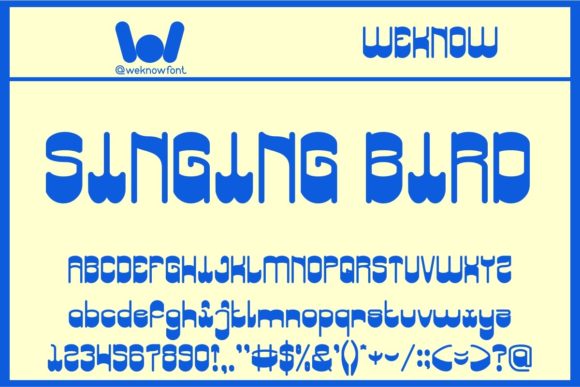
Singing Bird: A Font That Sings with Personality
Imagine a typeface that doesn't just sit on the page but seems to flutter with energy, its letters curving and dancing with a life of their own. That’s the immediate impression you get from Singing Bird, a fancy display font that feels less like a set of characters and more like a piece of art. It’s the kind of font that stops you mid-scroll, perfect for when you need a headline to do more than just convey information—you need it to evoke a feeling, tell a story, and capture a specific, often whimsical or elegant, mood.
Where Does a Font Like Singing Bird Fit?
Let's be practical. You're not just choosing a font; you're selecting a tool for communication. Singing Bird’s strength lies in its strong visual personality, which makes it a specialist rather than a generalist. Think of it as the accent piece in your design toolkit. Its elaborate, flowing style is ideal for projects where the typography itself is a key visual element. This isn't the font for your body copy in a 300-page report. It’s the font you use when you want to make a statement.
For small business owners and entrepreneurs, consider where you need that immediate emotional hook. A bakery could use it for its logo on a window sign, instantly conveying artisanal, handmade quality. A wedding photographer might use it for watermarks or album titles, adding a touch of romance and sophistication. An indie game developer could set their title screen with it, hinting at a fantasy or story-driven adventure. Its value is in its ability to set a scene with just a few letters.
More Than a Pretty Face: Strategic Applications
The real test of a creative font is its versatility within its niche. Singing Bird isn't a one-trick pony; its fancy style can adapt to various creative and commercial contexts. Here’s how you can put it to work:
- Brand Identity & Logos: This is its home turf. A logotype set in Singing Bird can become the cornerstone of a brand identity for a boutique, a craft studio, a podcast about folklore, or a line of organic teas. It immediately communicates a certain aesthetic—be it vintage, elegant, or playfully artistic.
- Packaging Design: On a shelf crowded with minimal sans-serifs, a product name rendered in a distinctive script or decorative font like Singing Bird can grab attention. It works beautifully for specialty foods, artisan cosmetics, or any product where craftsmanship is part of the story.
- Editorial & Poster Design: Magazine covers, book chapter headings, movie posters, and event flyers all benefit from a standout headline font. Singing Bird can set the tone for an entire publication or campaign, whether it's for a fantasy novel, a music festival, or a feature article about nature.
- Digital & Social Media: In the fast-paced world of Instagram and YouTube, visual distinctiveness is currency. Use it for your channel name, video thumbnails, or promotional graphics to create a consistent and recognizable look that stands out in a feed. It’s also excellent for website hero sections or blog post titles where you want to make a strong first impression.
The Practical Side of Choosing a Fancy Font
So, you’re sold on the look. Now, let’s talk about using it effectively. A font with this much character requires a thoughtful approach to avoid overwhelming your design.
Pairing is Key: The most successful designs using a decorative font like Singing Bird balance it with something more neutral. Pair it with a clean, simple sans serif font for body text or secondary information. This contrast ensures readability while allowing the headline font to shine. Think of it as a duet: Singing Bird is the soloist, and your body font is the steady accompaniment.
Readability First: Always test your chosen text at the actual size it will be viewed. A font that looks stunning as a 72-point logo might become illegible as a 12-point caption. Use Singing Bird for short bursts of text—headlines, titles, logos, and callouts—where its details can be appreciated without straining the reader's eyes.
Check the Glyphs: A quality premium font often includes stylistic alternates, ligatures, and extended character sets. Before finalizing, explore what’s included. Can you access different letter shapes for a more custom look? Does it support the languages you need? These details can elevate your design from good to great.
Licensing Matters: If you’re using this for a client project, merchandise, or a commercial product, ensure you have the correct commercial font license. Most reputable font licenses are clear, but it’s your responsibility to check if it covers your intended use, especially for items for sale like t-shirts, mugs, or printed goods.
Finding the Right Project for Its Voice
Ultimately, the best font choice is one that aligns with your project’s goals and audience. Ask yourself: What emotion or message should this typography convey? If the answer involves whimsy, elegance, nostalgia, or artistic flair, then a typeface like Singing Bird is worth serious consideration. It’s a design asset that can help build visual consistency and brand recognition when used strategically.
Don’t just download it and use it blindly. Mock it up in your design. See how it interacts with your color palette and imagery. Show it to someone in your target audience and get their gut reaction. A font that resonates visually with your intended viewers will always perform better than one chosen solely on personal taste. In the end, great typography isn’t about following trends; it’s about finding the right voice to speak directly to the people you want to reach. Sometimes, that voice needs to sing.