Flying Bird: The Display Font That Makes Brands Soar
There’s a particular kind of energy a project needs when it’s meant to feel fresh, approachable, and just a little bit bold. You see it in the logo of a new coffee roaster, the title card of a indie game, or the header of a lifestyle blog. It’s a visual vibe that says, “We’re modern, we’re creative, and we don’t take ourselves too seriously.” Finding a typeface that captures that spirit can be a game-changer. Enter Flying Bird, a display font that balances casual charm with a contemporary edge, designed to inject personality into a wide array of creative work.
A Typeface with a Relaxed, Modern Vibe
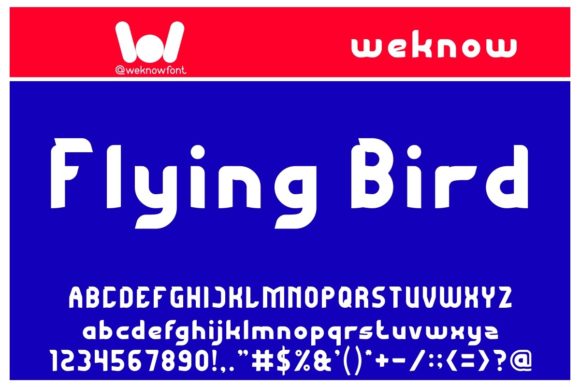
At its core, Flying Bird is a modern and casual looking display font. This isn’t the typeface for dense body text or legal documents. Instead, it’s a workhorse for headlines, logos, and any situation where you need to make an immediate visual statement. Its letterforms are clean and legible, yet they carry a subtle softness and approachability that rigid sans-serifs often lack. Think of it as the typographic equivalent of a perfectly tailored t-shirt—it’s polished enough for professional use but retains a comfortable, authentic feel. This makes it incredibly versatile for projects targeting audiences who value both style and substance.
Where This Creative Font Truly Shines
The true test of any design asset is its practical application. Flying Bird’s strength lies in its ability to adapt to numerous contexts without losing its character. For logotype and brand identity projects, it provides a friendly yet confident voice. A bakery, a boutique fitness studio, or a tech startup could all use it to craft a logo that feels inviting and current. In the apparel industry, its casual flair is perfect for t-shirt graphics, hang tags, or the branding on a clothing line’s website.
Beyond branding, its utility extends into the worlds of poster design, music album covers, movie titles, and game interfaces. The font has a dynamic quality that suits energetic themes. For magazine and book covers, especially in lifestyle, DIY, or young adult fiction, it can draw the eye and set the tone instantly. Content creators will find it invaluable for crafting compelling thumbnails for YouTube, creating cohesive Instagram graphics, or designing headers for a website or blog. It’s a tool that helps unify visual communication across platforms.
Practical Advice for Using a Display Typeface
Choosing the right font style is just the first step. To use a display font like Flying Bird effectively, consider these practical tips:
- Pairing is Key: A display font is rarely used alone. For body text or longer descriptions, pair it with a highly readable sans serif font or a classic serif font. This creates a visual hierarchy that guides the reader’s eye. For example, use Flying Bird for your main headline and a clean sans-serif like Lato or Open Sans for the paragraph text below it.
- Test for Readability: Always test your chosen font at the size it will be viewed. A font that looks stunning as a large logo might become illegible if used for a small call-to-action button. Flying Bird’s design generally maintains good legibility, but context is everything.
- Review the Included Styles: Many premium fonts come with more than just the standard weight. Check if Flying Bird includes bold, italic, or alternate character options. These variations can add depth to your designs and give you more creative flexibility within a single typeface family.
- Understand the License: For any commercial project—whether it’s a client’s brand identity, merchandise you sell, or a monetized YouTube channel—ensure you have the correct commercial font license. This protects you legally and supports the font designers who create these valuable tools.
Beyond the Logo: Building a Cohesive Visual Language
Using a distinctive typeface like Flying Bird isn’t just about making one element look good; it’s about building a consistent visual language. When you use the same font across your social media graphics, packaging design, marketing assets, and editorial layouts, you create a thread of recognition for your audience. They start to associate that specific typographic style with your brand or content, which strengthens brand recognition and conveys professionalism. It moves your project from a collection of nice-looking pieces to a cohesive and intentional presentation.
For a small business owner or creative entrepreneur, this consistency is powerful. It means your Instagram post, your product label, and your website banner all speak the same visual dialect. This doesn’t require a huge budget, just thoughtful selection and application of your design assets. A well-chosen creative font is one of the most impactful assets you can have in your toolkit.
Making the Choice: Does Flying Bird Fit Your Project?
Ultimately, the best typeface is the one that aligns with your project’s goals and audience. Flying Bird excels in scenarios where you need to communicate modernity, creativity, and approachability. If your project targets a younger demographic, embraces a playful aesthetic, or operates in a creative industry like design, music, or media, it’s worth serious consideration. It’s less suited for traditional, formal, or highly technical contexts where a neutral modern typography choice might be safer.
Think of selecting a font as casting an actor for a role. You need the right personality for the part. For the role of a friendly, engaging, and stylish headline-maker, Flying Bird is a compelling candidate. Take the time to experiment with it, test your font pairing ideas, and see how it feels within the context of your specific design. The right typeface doesn’t just display words; it helps tell your story.