Human Alter Ego: A Clean, Squared Font for Modern Brands
Every brand has two sides: the face it shows the world and the identity it feels internally. Visual communication is often the bridge between the two. If you’ve ever struggled to find a typeface that feels bold and modern without being aggressive, or structured without being sterile, you know how difficult that bridge is to build. This is where finding the right design asset becomes critical. Enter Human Alter Ego, a display typeface that strikes a unique balance between geometric precision and approachable warmth.
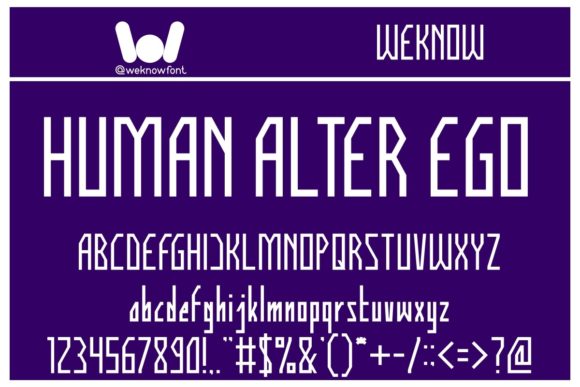
At its core, this font is defined by its squared letterforms. However, unlike rigid industrial fonts, it incorporates subtle curves and optical corrections that soften the overall appearance. It avoids the cold, robotic feel of pure geometry, making it an excellent choice for projects that require a human touch but demand professional structure. Whether you are working on a tech startup’s brand identity or a lifestyle magazine cover, this typeface offers the versatility needed to anchor your visual hierarchy. It is a premium font choice that prioritizes clarity and impact, ensuring your message lands exactly how you intend it to.
The Geometry of Warmth: Understanding the Visual Style
Typography is rarely just about reading words; it is about feeling them. The visual personality of Human Alter Ego lies in its ability to feel "cool" and contemporary. The squared nature of the letters provides a stable, grounded foundation. This makes it incredibly effective for logo design, where legibility at various sizes is paramount. A logo needs to look just as good on a massive billboard as it does on a tiny favicon in a browser tab. The clean lines of this font ensure that the edges don't blur or get lost when scaled down.
Furthermore, the spacing and kerning—how the letters sit next to one another—play a massive role in readability. Tight tracking is popular in modern design, but it can often render text illegible. This typeface is crafted with generous optical spacing, allowing it to breathe. This is a crucial factor for web design and digital products, where screens of varying resolutions can sometimes muddle poorly spaced typography. It ensures that whether a user is on a high-end desktop monitor or a budget smartphone, the text remains crisp and readable.
From Screen to Shelf: Versatile Applications
One of the most significant advantages of a display font like this is its adaptability across different mediums. In the apparel industry, for example, text-based designs are timeless. Think of high-impact slogans on streetwear or minimalist branding on tags. Human Alter Ego fits perfectly here because its geometric structure mimics the construction of patterns and stitching, creating a cohesive look between the garment and its branding.
Consider the world of editorial design and magazines. Headlines need to grab attention instantly. A serif font might feel too traditional for a cutting-edge culture magazine, while a standard sans serif might feel too generic. This font occupies that sweet spot. It has enough character to stand alone as a headline but remains neutral enough not to overpower the accompanying photography or body copy.
For those in the music and entertainment sectors, such as designing album art or movie posters, the font’s "cool" factor is undeniable. It suggests a modern, forward-thinking aesthetic that appeals to younger demographics. It works exceptionally well for:
- Poster design: Creating focal points for events or promotions.
- Social media graphics: Stopping the scroll on Instagram or YouTube thumbnails.
- Merchandise: Ensuring designs look professional on mugs, stickers, and prints.
- Game interfaces: Providing clear UI text that fits a futuristic or minimalist theme.
Building a Cohesive Brand Identity
For entrepreneurs and small business owners, consistency is the key to building trust. When your brand identity is scattered—using a different font style on your website than on your packaging—it creates a subconscious disconnect for your customer. Adopting a versatile typeface family like Human Alter Ego allows you to create a unified visual language.
Imagine a startup launching a new product. They need a commercial font that works across the logo, the website headers, the email marketing templates, and the physical packaging. By using this single typeface family, the brand instantly feels more established and professional. It signals to the customer that the business pays attention to details. In packaging design, specifically, the "squared" aesthetic often implies stability and reliability—traits every brand wants to be associated with.
Moreover, the neutrality of this typeface makes it a fantastic team player. It doesn't scream for attention to the point where it clashes with other design elements. Instead, it supports the broader visual narrative, making it a reliable asset in any designer’s toolkit.
Practical Tips for Pairing and Implementation
Choosing a font is only half the battle; knowing how to use it effectively is where the magic happens. Because Human Alter Ego is a display typeface, it is best used for headlines, sub-headers, and call-to-actions (CTAs). It is generally not recommended for long blocks of body copy, such as blog posts or legal disclaimers, as display fonts can tire the eye over extended reading periods.
To create a dynamic hierarchy, you need to pair it effectively. Here are a few strategies for font pairing:
- Contrast with a Serif: If you want a classic, editorial look (think Vogue or GQ), pair Human Alter Ego with a traditional serif font for the body text. The sharp geometry of the headline will contrast beautifully with the fluid, traditional strokes of the body text.
- Harmony with a Sans Serif: For a clean, modern, corporate look, pair it with a humanist sans serif font. Look for a body font with rounded terminals to echo the subtle curves of the headline font, creating a harmonious rhythm on the page.
- Contrast with a Script: For invitations or lifestyle branding, pairing a geometric font with a handwritten font or script font can create a charming "perfect meets imperfect" aesthetic.
Always test your pairings in context. Don't just look at them on a blank white canvas. Place them over your brand's photography or within your actual website layout. Check the readability at different sizes. Does the font look good when bolded? Does it maintain its integrity when italicized? Reviewing the included font styles—such as light, regular, and bold weights—is essential to ensure you have enough flexibility for all your design assets.
Licensing and Long-Term Value
Finally, when investing in a premium font, you must consider the practicalities of licensing. For commercial projects—whether it’s a client’s logo, a product you intend to sell, or a monetized YouTube channel—you need to ensure the license covers your specific usage. Most professional fonts come with a license that distinguishes between personal use (hobby projects) and commercial use (anything generating revenue).
Investing in a high-quality typeface like Human Alter Ego is an investment in your project's future. It saves you the headache of legal issues down the road and ensures you are using a professional-grade tool that renders correctly across all devices and operating systems. It is more than just a collection of letters; it is a foundational element of your creative strategy that helps bridge the gap between your vision and your audience's perception.