Entertainment Show: A Display Font with Serious Visual Punch
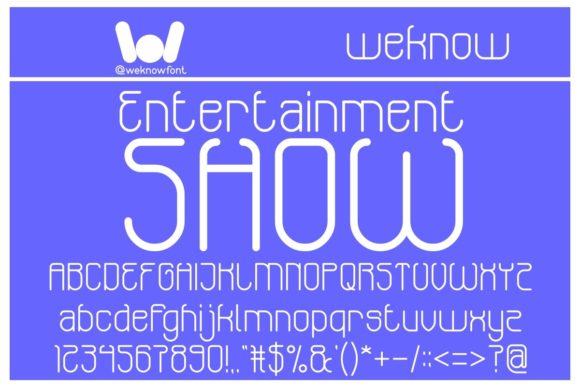
There's a moment in every design project where the typography either clicks into place or falls flat. You've got the layout, the color palette, the imagery all dialed in, but something feels off. More often than not, the font is the culprit. If you've been searching for a typeface that commands attention without sacrificing clarity, Entertainment Show might be worth a closer look. This modern display font has a distinct personality—bold, confident, and unmistakably contemporary—and it's built for designers, creators, and brand builders who need their text to do more than just sit there.
What Makes This Typeface Stand Out
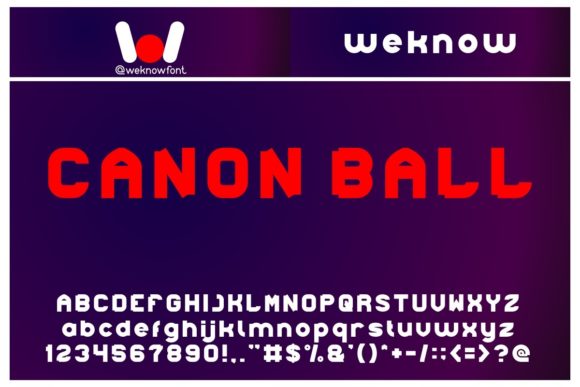
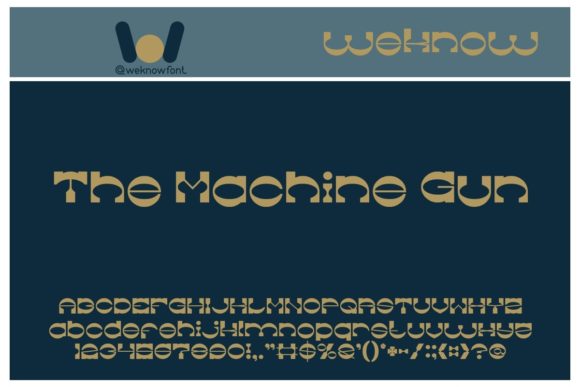
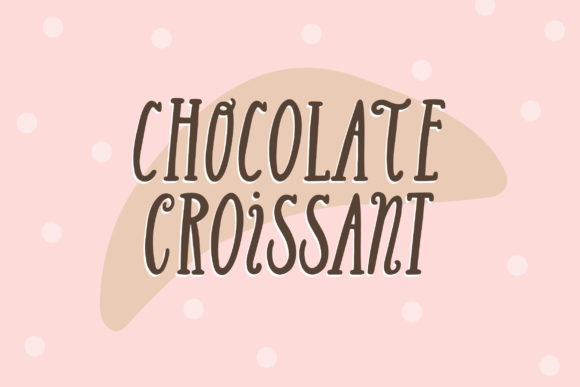
Entertainment Show isn't trying to be everything to everyone, and that's precisely its strength. It's a display typeface, which means it's engineered for impact rather than long-form reading. Think headlines, logos, hero sections, and poster titles. The letterforms carry a modern edge with clean geometry and subtle stylistic flourishes that give each character a sense of movement and energy. It doesn't look generic or templated, which is a real problem with a lot of free fonts floating around the internet.
The visual weight sits in a sweet spot—not too heavy, not too light. That balance makes it versatile enough to work across a surprising range of projects. Whether you're designing a YouTube thumbnail, a music festival poster, or a brand identity for a startup, the font adapts without losing its character. The proportions feel deliberate, and the spacing has been carefully considered, which saves you time in manual kerning adjustments.
Where This Font Actually Works in Real Projects
Let's talk about practical applications, because a font is only as good as how you use it. Entertainment Show slots naturally into projects where visual energy matters. Here are some specific scenarios where it tends to shine:
- Logo design and brand identity — If you're building a brand for a music label, a gaming channel, a fashion line, or an entertainment company, this font brings the right amount of attitude. It works well as a primary wordmark or as a stylized element within a larger logo system.
- Social media graphics — Instagram stories, TikTok overlays, Pinterest pins, and Facebook ads all demand text that pops at small sizes and fast scroll speeds. The boldness of Entertainment Show holds up well in these environments.
- Poster and event design — Concert posters, movie promotions, festival branding, and event flyers benefit from a typeface that feels dynamic and cinematic. This font nails that brief without feeling overdone.
- Packaging and merchandise — T-shirt designs, sticker packs, product labels, and box art often need a headline font that communicates personality at a glance. Entertainment Show does this effectively, especially for brands targeting younger, style-conscious audiences.
- Editorial and magazine layouts — Feature article titles, chapter headings, and pull quotes in magazines, zines, and digital publications can benefit from a display font that feels editorial without being stuffy.
- Website hero sections and blogs — Pair it with a clean sans serif or a simple serif for body text, and you've got a web layout that feels polished and intentional. Blog headers, landing page titles, and call-to-action sections all respond well to this kind of typographic contrast.
- Invitations and digital products — Party invitations, event announcements, digital planners, and downloadable templates gain personality when the headline font has real character.
Pairing It with Other Fonts
No display font exists in isolation. One of the most common mistakes in design is choosing a headline typeface without thinking about what sits beneath it. Entertainment Show works best when paired with something more restrained for body copy. A geometric sans serif like Montserrat or Poppins keeps things modern and readable. A classic serif like Playfair Display or Lora can create a more editorial, sophisticated contrast.
The key principle is contrast without conflict. You want the two fonts to feel like they belong in the same design system but serve different roles. Entertainment Show handles the heavy lifting—grabbing attention, setting the tone, establishing mood. The secondary font carries the detailed information that people actually read. Test your pairings at real sizes, on real screens, and in real layouts before committing. What looks great in a font preview doesn't always translate to a full page design.
Readability Isn't the Same as Legibility
Here's something worth clarifying. Entertainment Show is a display typeface, which means it's optimized for short, high-impact text—not paragraphs. That's not a limitation; it's a design choice. Every font category has a job. Body fonts are built for sustained reading. Display fonts are built for visual punch. Using a display font for body copy is like using a spotlight to read a book—it technically works, but it misses the point.
For headlines, taglines, and short phrases, this typeface delivers excellent legibility. The characters are distinct enough to read quickly, even at a glance, which matters enormously in advertising, social media, and signage. Just don't ask it to carry a 500-word product description. Use it strategically, and it rewards you with a professional, intentional look.
Licensing and What to Watch For
Before you download any premium font, understand the licensing terms. Entertainment Show, like most commercial fonts, comes with specific usage rights. A desktop license typically covers installation on your computer for creating static designs—logos, print materials, images. If you plan to embed the font on a website using CSS, you may need a web license. If you're creating products for sale that include the font as a design element—like templates, merchandise, or digital downloads—check whether the license covers that use.
This isn't just legal fine print. Getting licensing right protects your clients and your own work. Reputable font foundries are transparent about what each license covers, and investing in proper licensing is part of treating design as a professional discipline rather than a casual hobby.
Matching Typography to Project Goals
The best font choice is always the one that serves the project's communication goals. Before reaching for Entertainment Show—or any display font—ask yourself a few questions. What emotion should this design evoke? Who is the audience? Where will they encounter this design—on a phone screen, a billboard, a product shelf? What does the rest of the visual system look like?
A font that works brilliantly for a music streaming app might feel completely wrong for a law firm's annual report. Context is everything. Entertainment Show leans into energy, modernity, and a certain boldness that resonates with entertainment, lifestyle, fashion, gaming, and creative industries. If your project lives in that world, this typeface is a strong contender. If you're working in a more traditional or conservative space, you might want something with a quieter voice.
Typography is one of the most powerful tools in a designer's toolkit, and the fonts you choose say something before a single word is read. Entertainment Show offers a distinctive, modern voice that can elevate headlines, strengthen brand identities, and give creative projects the visual edge they need. Use it with intention, pair it thoughtfully, and let it do what display fonts do best—make people stop and pay attention.