Why Extra Machine Is the Bold Display Typeface Your Projects Need
There's a moment in every creative project when you realize the typography isn't working. The headline feels timid. The logo lacks punch. The social media graphic blends into the noise. That's usually when a designer starts searching for something with more presence, more character, more weight. If you've been in that situation, Extra Machine might be exactly what you're looking for.
This is a bold, thick-lettered display font built for impact. It doesn't whisper. It announces. And for projects that need to grab attention immediately—whether that's a brand identity, a YouTube thumbnail, a movie poster, or packaging on a retail shelf—having a typeface that commands the space it occupies is non-negotiable.
A Typeface Built for Visibility
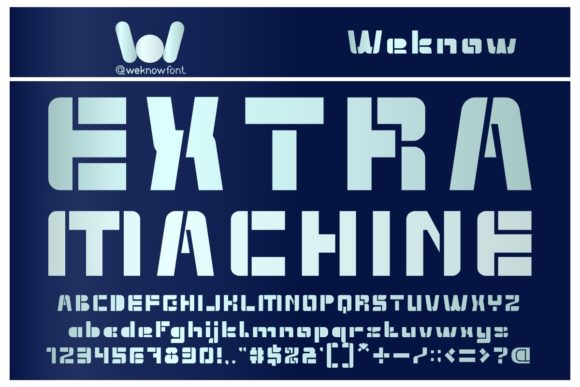
Extra Machine carries a distinct personality. The letterforms are heavy, structured, and unapologetically bold. This isn't a font you'd set a 500-word blog post in. It's designed for short, high-impact text: headlines, logos, titles, and callouts. The thick strokes give each character a sense of solidity and confidence, which translates directly to the projects it's used in.
What makes it visually appealing is the balance between industrial strength and modern clarity. Some heavy display fonts sacrifice legibility for style, but Extra Machine maintains clean geometry that keeps letters readable even at large scales. That combination of weight and clarity is surprisingly rare, and it's what makes this typeface versatile across so many different applications.
Think about the brands you recognize instantly from a single word set in a distinctive typeface. That kind of recognition starts with choosing a font that has a strong, consistent visual identity. Extra Machine delivers that.
Where This Font Actually Works
Let's get practical. A display font like Extra Machine earns its place in specific contexts where visual weight matters. Here's where it tends to perform best:
- Logo design — A bold typeface gives a logo immediate authority. For brands in fitness, automotive, tech, entertainment, or streetwear, the thick letterforms of Extra Machine create a mark that feels substantial and memorable.
- Brand identity systems — When you're building out a visual identity with consistent typography across business cards, letterheads, and digital assets, a strong display font anchors the hierarchy. It pairs well with cleaner body fonts to create contrast and rhythm.
- Poster and editorial design — Movie posters, magazine covers, event flyers, and book covers all benefit from type that can hold its own against imagery. Extra Machine's weight ensures the headline doesn't get lost.
- Packaging design — On a shelf, you have seconds to communicate what a product is and who it's for. Bold typography on packaging signals confidence and helps products stand out from competitors using thinner, more conventional fonts.
- Social media graphics — Instagram posts, YouTube thumbnails, and TikTok overlays need type that reads clearly at small sizes on mobile screens. A heavy display font cuts through visual clutter in crowded feeds.
- Merchandise and apparel — T-shirts, hats, and branded merchandise often rely on a single word or short phrase to make an impression. Thick, well-crafted letterforms like those in Extra Machine translate beautifully to screen printing and embroidery.
- Websites and digital products — Used sparingly for hero sections, landing page headlines, and feature callouts, a bold display typeface adds personality to web design without overwhelming the layout.
The key word in all of these is display. This is a premium font designed for moments where typography needs to perform, not recede into the background.
Matching Typography to Your Project Goals
Choosing the right font isn't just about aesthetics. It's about communication. Every typeface carries associations, and the ones you choose send signals to your audience before they read a single word.
Extra Machine communicates strength, modernity, and directness. If your project needs to feel approachable and delicate, this probably isn't the right pick. But if you're building a brand that wants to feel powerful, contemporary, and confident, it's a strong candidate.
Here's a practical framework for deciding whether this typeface fits:
- Define the emotion you want to evoke. Bold, industrial fonts work for brands and projects that want to feel assertive. If your audience expects elegance or whimsy, consider a script font or serif font instead.
- Consider your content length. Display fonts are optimized for headlines and short text blocks. For body copy, pair Extra Machine with a readable sans serif font or serif font that handles longer passages comfortably.
- Test it at the sizes you'll actually use. A font that looks incredible at 72 point on your monitor might feel different at the scale of a business card or a mobile screen. Always test in context.
- Check the licensing. If you're using the font for commercial projects—client work, merchandise, products for sale—make sure the license covers that use. Many premium fonts offer different tiers, so verify before you commit.
Building Strong Font Pairings
One of the most common mistakes in design is using a single bold typeface for everything. It creates a visual monotony that actually weakens the impact of the display font. The solution is pairing.
Extra Machine works best when it's the loudest voice in the room, supported by quieter typography for supporting text. A few pairing strategies that tend to work well:
- Bold display + clean sans serif. This is a classic combination. The contrast between the heavy headline and the lighter body text creates a clear hierarchy. Think of it as the typographic equivalent of a bass drum and a hi-hat.
- Bold display + elegant serif. For editorial layouts, book covers, or luxury branding, pairing a thick display font with a refined serif typeface creates tension and sophistication.
- Bold display + handwritten font. For projects that need to balance strength with warmth—like a fitness brand with a personal coaching angle—this pairing adds a human element without losing authority.
The trick is to let each font do what it does best. Don't ask your display font to be subtle. Don't ask your body font to be dramatic. When each typeface has a clear role, the overall design feels cohesive and intentional.
Practical Considerations for Real Projects
Beyond aesthetics, there are a few practical details worth thinking about before you build a project around any display typeface.
Readability at different sizes. Extra Machine is designed for large-scale use, but it's worth checking how the letterforms hold up at the smallest size you plan to use. On a business card or a small product label, some detail can get lost. Test it.
Character set and language support. If your project involves multiple languages or special characters, verify that the font includes the glyphs you need. This is especially important for international brands or multilingual publications.
File formats and compatibility. Most modern design software supports OTF and TTF formats, but if you're working in specific environments—like a particular CMS or design platform—confirm compatibility before purchasing.
Commercial licensing. This matters more than most people realize. If you're designing for a client, selling merchandise, or distributing digital products that include the font, you need a license that permits commercial use. Read the terms. It protects both you and the font creator.
Why the Right Display Font Changes Everything
I've worked on enough branding projects and marketing campaigns to know that typography is one of those details that clients don't always notice when it's right, but they definitely notice when it's wrong. A headline that feels too weak for the brand. A logo that doesn't project the right energy. A social media graphic that disappears in a feed full of competing visuals.
Extra Machine solves a specific problem: it gives designers and creators a bold, confident typeface that holds attention. Whether you're building a brand identity from scratch, designing a poster for an event, creating thumbnails for a YouTube channel, or laying out packaging for a new product, having a reliable display font in your toolkit saves time and elevates the final result.
The best design decisions are the ones that feel obvious in hindsight. If your project needs to look strong, modern, and unmistakably intentional, a typeface like Extra Machine is worth serious consideration. Pair it thoughtfully, test it in context, and let it do what bold typography does best—make people look.