Red Light Special: The Handwritten Script for Bold Branding
There’s a certain energy that a hand-drawn script brings to a design—it’s immediate, personal, and full of character. If you’ve been searching for a typeface that feels both authentic and versatile, Red Light Special might be the creative tool you’ve been looking for. This isn’t just another script font; it’s a handwritten style with a confident, flowing rhythm that adapts to a surprising range of projects. Whether you’re building a brand from scratch, refreshing your social media presence, or designing packaging that needs to stand out on a shelf, understanding how to use a font like this can make a tangible difference in your work.
A Typeface with Personality and Purpose
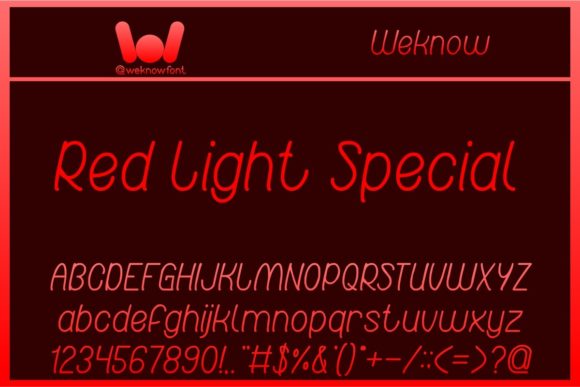
Red Light Special is a script font that balances artistic flair with practical application. Its handwritten nature gives it an approachable, human touch—something that resonates in an age of digital perfection. The letterforms have a natural flow, with slight variations in stroke width that mimic the movement of a pen on paper. This isn’t a rigid, formal script; it’s expressive, with a modern edge that keeps it from feeling overly casual or outdated.
What makes it particularly useful is its adaptability. It works beautifully as a headline font for posters or magazine covers, but it’s equally effective as a logo typeface for businesses in the apparel, food, or lifestyle industries. The key is understanding its strengths: it excels in contexts where personality and warmth are more important than corporate neutrality. Think boutique branding, creative studio identities, event invitations, or even album artwork for independent musicians.
Practical Applications Across Industries
Let’s talk about where Red Light Special can actually make an impact. If you’re working on brand identity for a small business—say, a local coffee roaster, a handmade jewelry line, or a indie publishing house—this font can serve as the cornerstone of your visual language. It pairs well with clean sans-serif fonts for body text, creating a hierarchy that’s both engaging and readable. Use it for your logo, then carry it through to your packaging, business cards, and website headers to build consistency.
For content creators and social media managers, this script font is a gem. Instagram graphics, YouTube thumbnails, and blog headers often need that extra touch of personality to stop a scrolling finger. Red Light Special can give your quotes, announcements, and promotional posts a handmade feel that stands out in a feed of generic templates. Just be mindful of size and contrast—script fonts can lose legibility at very small sizes or on busy backgrounds.
Print materials benefit from its charm too. Wedding invitations, festival posters, book covers, and editorial layouts in magazines can all use this typeface to evoke a specific mood. It’s particularly effective in projects related to music, film, or gaming—anywhere a sense of creativity or narrative is key. Imagine it on a movie poster for an indie film, or as the title font for a graphic novel. The handwritten quality adds a layer of authenticity that polished, geometric fonts often lack.
Pairing, Readability, and Professional Polish
One of the most common questions about decorative or script fonts is how to use them without sacrificing readability. With Red Light Special, the answer lies in thoughtful pairing and strategic placement. Avoid setting long paragraphs in this font—its strength is in headlines, logos, and short bursts of text. Pair it with a neutral sans-serif like Open Sans or a simple serif like Lora for body copy. This contrast lets the script font shine without overwhelming the viewer.
Consider the context of your project. If you’re designing a website, use Red Light Special for hero sections or call-to-action buttons, but stick to a more legible font for navigation and product descriptions. For merchandise like t-shirts or tote bags, the font’s bold, flowing style can be a major selling point—it looks great at larger scales where its details are visible.
Always test your designs in multiple formats. What looks stunning on a computer screen might not translate well to a small mobile view or a printed business card. Print out samples, view them on different devices, and ask for feedback. This kind of testing is what separates amateur designs from professional ones.
Integrating Red Light Special into Your Creative Toolkit
Before you commit to any premium font for a commercial project, take time to explore what’s included. Red Light Special typically comes with a full character set—including uppercase, lowercase, numerals, and punctuation—along with stylistic alternates or ligatures that can add even more variety. These extras are worth exploring; they allow you to customize the look of headlines or logos so they feel unique to your brand.
Licensing is another practical consideration. If you’re using the font for client work, merchandise, or digital products, make sure you have the appropriate commercial license. Most font designers offer different tiers for personal and commercial use, and respecting these terms is part of being a professional creator. It also ensures you won’t run into legal issues down the road.
Finally, remember that typography is just one piece of the design puzzle. A great font can elevate a project, but it works best when it’s part of a cohesive visual strategy. Think about color palettes, imagery, and layout as a whole. Red Light Special is a tool—a powerful one—but it’s your creative vision that will ultimately make the design succeed.
Whether you’re a designer looking for a fresh script font, a business owner aiming to humanize your brand, or a hobbyist crafting something special, Red Light Special offers a blend of style and substance that’s hard to ignore. Its handwritten charm can bring warmth to digital spaces and authenticity to printed materials. Give it a try in your next project, and see how a little personality in your typography can go a long way.