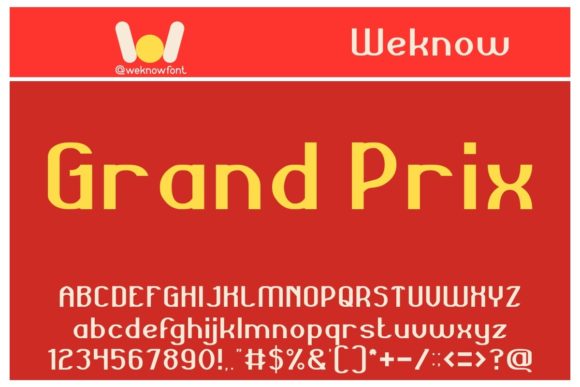
Grand Prix: A Typeface That Captures Speed and Style
There’s a certain energy you feel at a race track—the roar of engines, the blur of color, the precision of every turn. Now, imagine bottling that intensity and pouring it directly into your visual design. That’s the feeling the Grand Prix font embodies. It’s not just another display typeface; it’s a statement piece, engineered for projects that demand attention and exude a cool, confident edge. Whether you’re crafting a logo for a new tech startup, designing a poster for a music festival, or launching a bold apparel line, this font brings a dynamic, modern personality that static, ordinary fonts simply can’t match.
A Visual Identity Built on Momentum
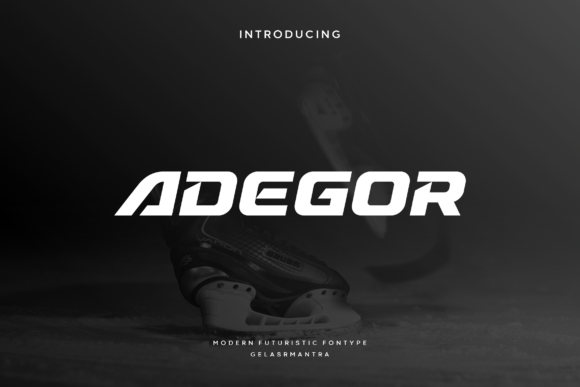
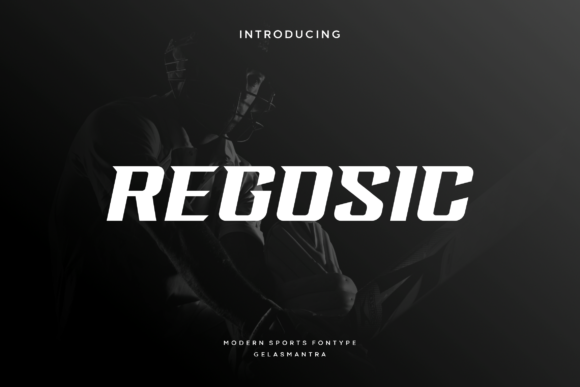
What makes Grand Prix so visually compelling? At its core, it’s a display font with a distinct character. The letterforms often feature sharp angles, clean lines, and a sense of forward motion, reminiscent of speedway typography and high-performance branding. This isn’t a font that whispers; it speaks with clarity and purpose. Its design balances a sleek, contemporary aesthetic with enough uniqueness to avoid feeling generic. This makes it particularly effective for logotypes and headlines where you need to establish a strong first impression. Think of it as the typographic equivalent of a sports car—streamlined, powerful, and designed to turn heads.
For designers, this translates to a powerful tool for visual storytelling. A brand using Grand Prix in its identity system instantly communicates innovation, energy, and a forward-thinking mindset. It’s a premium font choice that signals quality and intention. Unlike more traditional serif fonts or delicate script fonts, Grand Prix occupies a unique space: it’s assertive without being aggressive, and stylish without sacrificing readability in the right context. This balance is crucial for creating a brand identity that feels both professional and exciting.
From Concept to Concrete Application
Let’s move beyond theory and look at where this typeface truly shines. Its versatility is one of its greatest strengths, making it a valuable asset across a surprisingly wide range of creative projects.
Logo Design & Branding: This is where Grand Prix establishes its legacy. A logo set in this typeface has an inherent sense of purpose and direction. It works beautifully for companies in the tech, automotive, sports, and entertainment sectors, but its adaptability means it can also add a modern twist to more conventional industries. Imagine a boutique fitness studio or a cutting-edge digital agency—Grand Prix provides that essential blend of style and substance that helps build immediate brand recognition.
Packaging & Merchandise: On a shelf or a product tag, you have seconds to make an impact. Grand Prix’s bold presence ensures your packaging design stands out. It’s ideal for product names and key messaging on boxes, labels, and bags. For merchandise like t-shirts, hats, and posters, the font translates seamlessly, maintaining its impact whether printed large on a back panel or used as a subtle accent on a sleeve.
Digital & Social Media Graphics: In the fast-scrolling world of Instagram, YouTube, and websites, visual clarity is everything. Grand Prix excels here. Use it for video thumbnails, social media post headers, and website hero sections to grab attention instantly. Its clean construction ensures it remains legible even at smaller sizes on mobile screens, which is a critical consideration for modern web design. Pair it with a simple, neutral sans serif font for body text to create a professional and engaging layout that guides the viewer’s eye.
Editorial & Print Materials: Don’t limit this font to digital screens. It brings a striking quality to print projects like magazine covers, event posters, and book titles. Its strong visual weight makes it perfect for creating dynamic compositions in editorial design. For invitations to launches, galas, or exclusive events, Grand Prix sets a tone of sophistication and excitement that generic fonts cannot achieve.
Practical Tips for Working with a Display Font
Integrating a character-rich display font like Grand Prix into your toolkit requires a thoughtful approach. Here’s how to use it effectively to enhance your projects.
Font Pairing is Key: The golden rule with a strong display typeface is to pair it with something more subdued for longer text. Grand Prix’s bold personality means it works best for headlines, logos, and short bursts of text. For body copy, paragraphs, or detailed information, choose a highly readable sans serif or serif font. This contrast creates visual hierarchy, making your design both dynamic and easy to consume. Test different pairings to see what complements the mood of your project—sometimes a classic serif adds an unexpected touch of elegance.
Consider the Context and Readability: Always view your design in its intended medium. Will it be viewed on a small phone screen or a large printed banner? While Grand Prix is designed for impact, ensure the letter spacing and size are appropriate for the context. A headline that looks perfect on a desktop monitor might need slight adjustments for mobile responsiveness. Always prioritize the user’s ability to quickly understand your message.
Explore the Included Styles: A quality premium font often comes with more than one weight or style. Check if Grand Prix includes variations like bold, italic, or condensed versions. These additional styles give you more flexibility within a single typeface family, allowing you to maintain visual consistency while adding emphasis or fitting text into different layout spaces.
Understand Licensing: Before using any commercial font in a client project or for merchandise you plan to sell, review the licensing terms. Ensure the license covers your intended use, whether it’s for digital products, physical goods, or a large-scale brand campaign. This is a fundamental step in professional design that protects both you and your client.
Building a Cohesive Visual Language
Ultimately, a font like Grand Prix is more than just a collection of glyphs; it’s a foundational element of your visual language. By selecting a typeface that aligns with your project’s core values—whether that’s innovation, speed, luxury, or creativity—you take a significant step toward building a cohesive and memorable brand identity. It helps ensure that every touchpoint, from your website to your business cards, speaks with a unified and professional voice.
The right typography doesn’t just decorate; it communicates. It shapes perception and influences how your audience feels about your brand or project. In a crowded marketplace, that subtle yet powerful influence can make all the difference. When your design assets, from fonts to imagery, work in harmony, you create a seamless experience that builds trust and recognition. Grand Prix, with its distinctive blend of style and function, offers a compelling way to inject that necessary energy and coherence into your next creative endeavor.