Entrance: A Bold Typeface for Commanding Visuals
There's a specific kind of project that demands more than just clean readability. It needs a voice that’s audible before a single word is read. Think of the title sequence of a cyberpunk film, the logo for a new tech startup, or the cover of a graphic novel. These projects don’t whisper; they announce. They require a typographic anchor with presence, confidence, and a distinct, contemporary edge. This is the space where a display typeface like Entrance operates, designed not for body text but for the moments that need to make an immediate, powerful impact.
Anatomy of a Modern Display Font
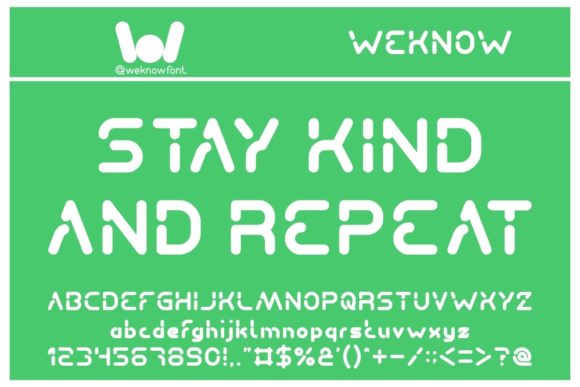
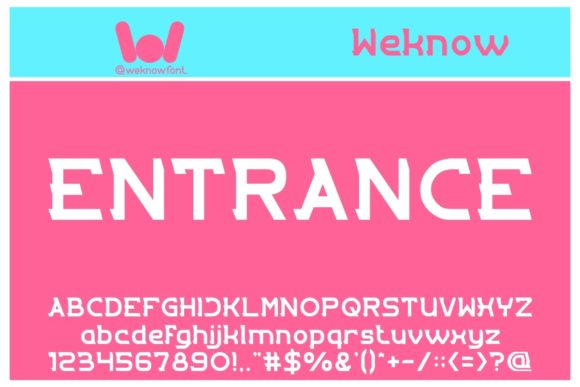
At its core, Entrance is a cool, bold, and techno-styled display font. This isn't about subtle serifs or delicate script flourishes. Its character is defined by clean, geometric lines, sharp angles, and a consistent, sturdy weight that feels both modern and authoritative. The visual personality is unmistakably forward-thinking, borrowing aesthetics from digital interfaces, futuristic branding, and minimalist industrial design. It’s a typeface that feels at home in contexts related to innovation, gaming, music, and contemporary media. The letterforms are crafted to be visually striking at large scales, making them ideal for headlines, logos, and titles where first impressions are critical.
What sets a font like this apart is its versatility within its niche. While it has a strong personality, it doesn't belong to a fleeting trend. Its techno style is grounded in readability and balance, ensuring that even with its bold presence, it remains clear and functional. This balance is crucial for designers who need a creative font that doesn’t sacrifice usability for style. It’s a tool built for specific tasks where visual impact is the primary goal.
Where Bold Typography Meets Real-World Projects
Understanding where a typeface shines is more valuable than just knowing what it looks like. Entrance is particularly suited for projects where the typography needs to carry the brand's weight. In logo design, for instance, a bold display font can become the central, recognizable element of a company's identity. A tech company, a gaming studio, or a music production label could use it to instantly communicate a sense of modernity and strength. The same principle applies to brand identity systems; using Entrance for headings on business cards, letterheads, and presentation decks creates a cohesive and professional presentation that feels intentional and curated.
For packaging design, especially in industries like electronics, energy drinks, or streetwear apparel, this font can help a product jump off the shelf. Its bold nature ensures the product name or key message is legible from a distance, a practical consideration for retail environments. Similarly, for posters and editorial layouts in magazines or books, it commands attention. Imagine a movie poster, a concert flyer, or the chapter headings in a graphic novel—Entrance provides the necessary visual hierarchy and drama.
The digital realm offers even more applications. A website hero section, a YouTube channel banner, or Instagram story templates can all benefit from its impactful style. It helps content creators and marketers stop the scroll and draw viewers in. For social media graphics, consistency is key. Using a single, strong display font for all headlines across platforms builds instant brand recognition. It turns a collection of posts into a recognizable visual stream, which is a powerful tool for audience engagement.
Strategic Use: Pairing and Practicality
Introducing a bold, stylistic font into a project requires some strategic thinking to ensure it enhances rather than overwhelms. The most critical piece of advice is to never use a display font for long paragraphs of text. Its strength is in headlines and short bursts of copy. For body text, you need a complementary workhorse—a clean sans serif or a classic serif font. This contrast is what creates visual interest and improves overall readability.
A practical exercise is to test font pairings early in your design process. Place Entrance next to a few different body text options. Does a simple, neutral sans serif like Roboto or Open Sans let the headline shine without competing? Does a more traditional serif like Georgia add a layer of sophistication? The goal is harmony, not competition. Your heading font makes a statement, and your body font delivers the information clearly.
Before committing, always review the included font files. A quality premium font will often include multiple weights, stylistic alternates, or even a separate version for web use. Check for OpenType features that might give you more creative control, such as different numeral styles or ligatures. Also, be mindful of commercial licensing. Ensure the license covers your intended use, whether it's for a client's brand identity, merchandise for sale, or a digital product like a website theme. This is a non-negotiable step in professional design work.
Beyond the Project: Building a Visual Language
Choosing a typeface like Entrance is more than just picking a "cool font." It's about selecting a component for your visual language. When used consistently, it becomes a key part of your brand's personality. It tells your audience something about your brand before they read your mission statement. It suggests innovation, confidence, and a clear point of view.
For the entrepreneur building a brand from scratch, or the designer crafting a campaign, this typeface offers a distinct starting point. It’s a design asset that can help solve the challenge of standing out in a crowded visual landscape. Whether it’s used on a bold t-shirt design, the title screen of an indie game, or the masthead of a blog, it provides a foundation of modern typography that feels both intentional and impactful. The key is to use it with purpose, pairing it thoughtfully and applying it where its strengths can truly elevate the work. In the right context, a font doesn't just display words—it shapes perception.